What Waterproofing Method shall I use? Most common Problems and our Solutions.
Got leaks, damp smells, or peeling paint and not sure what to do next? With heavy rain, salty coastal air, and many older homes, choosing the right waterproofing method in Sydney really matters. Pick the wrong one, and you can waste money while the damage keeps spreading behind the scenes.
This guide runs through the most common waterproofing problems and the practical fixes that actually work. If you need help, AB Sydney Waterproofing can inspect, explain the cause in plain English, and recommend the right repair.
What Affects Which Waterproofing Method You Should Use?
There is no single “best” waterproofing system for every job. The right choice depends on where the water is getting in and what the surface is made from.
Bathrooms, balconies, basements, and rooftops all get wet in different ways. Concrete, brick, fiber cement, and tiles all move and crack differently. That is why the methods below are grouped by area and surface, so you can match your problem to a likely solution.
Location of the leak or moisture problem
Common trouble spots include bathrooms and showers, balconies, basements and garages, rooftops, planter boxes, and commercial wet areas like kitchens or wash bays.
Each one needs different products and detailing. What works inside a shower will not cope with a sun-baked balcony or a car park that takes vehicle traffic.
Type and condition of the surface
Waterproofing over a solid concrete slab is very different from sealing an old brick wall or loose tiles.
Cracks, movement, and damaged screeds all affect which method will last. Old coatings sometimes have to be removed so new membranes can bond properly and stop leaks for the long term.
Most Common Waterproofing Problems in Sydney (And What They Mean)
Before people call a contractor, they usually notice a few warning signs. These clues often point to a clear cause, which helps find the right fix, not just a quick patch.
Peeling paint, stains, and mold on walls or ceilings
This often means failed bathroom or balcony waterproofing above or poor sealing outside that lets water track through the wall.
Left alone, it can rot framing, damage plaster, and create mold that is bad for your lungs.
Loose tiles, cracked grout, and damp smells
These signs often show that the membrane under the tiles in showers or bathrooms has failed or that a balcony has moved and broken the seal.
Re-grouting might look better for a while, but it will not stop leaks if the membrane is damaged.
Water pooling, leaks into garages, and wet basements
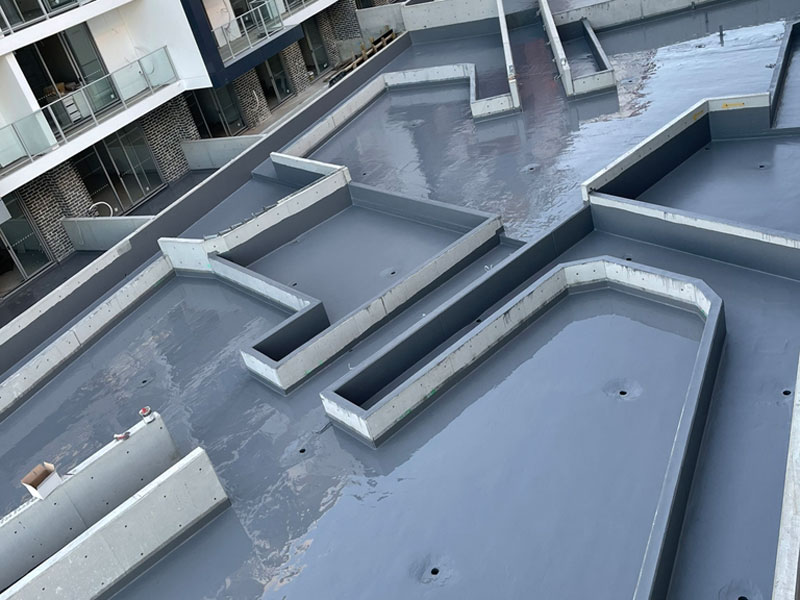
Constant puddles or damp patches usually point to poor drainage or missing external waterproofing.
Driveways, retaining walls, and older basements in Sydney are common trouble spots, especially after heavy rain.
Best Waterproofing Methods for Homes and Businesses: Simple Solutions That Work
To get real results with Waterproofing Sydney projects, you need methods matched to each area, not just a tube of silicone. The aim is to control water before it soaks in, then move it to a drain or safe outlet. AB Sydney Waterproofing uses systems suited to both small homes and large commercial jobs.
Bathrooms and showers: liquid membrane and proper detailing
Modern bathrooms usually use a flexible liquid membrane under the tiles. It is painted over floors, up walls, and around hob edges, then reinforced at corners and wall joints.
Drains, niches, and pipe penetrations need extra care so there are no weak spots. For home bathrooms, this falls under Residential Waterproofing Sydney and often means removing old tiles when the membrane has failed instead of just patching grout.
Balconies and terraces: flexible systems that move with the building
Balconies often crack and leak because they sit in the sun, move with the structure, and sometimes have poor falls to drains.
A flexible membrane or sheet system helps absorb that movement without splitting. Correct slope to outlets and sealed upstands at doors stops water from sitting or running back inside. This is a common job in unit blocks and commercial buildings that need reliable commercial waterproofing Sydney solutions.
Basements, retaining walls, and garages: external membranes and drainage
Below-ground walls work best with a tough external membrane plus drainage, so water is collected and carried away.
Where access outside is tight, internal negative-side coatings can help hold back moisture. Even then, good drainage is still important so water is not pressing constantly on the wall.
How team Solves Your Waterproofing Problems
Here is how the process usually works:
- Inspect the area and listen to what you have noticed.
- Use moisture checks to see how far the problem has spread.
- Find the real cause, not just the surface sign
- Match the right method and products to the surface and location
- Provide a clear written quote and explain the steps before work starts
Homeowners and business owners get straightforward advice and repairs that aim to last.
Conclusion
The best waterproofing solution always comes back to two things: where the water is getting in and why it started. Once you know that, you can pick the right method instead of wasting money on short-term patches.
If you are seeing stains, loose tiles, or damp smells in Sydney, it is worth acting early before the damage spreads. Reach out for practical advice or an inspection so you can get on top of it with confidence.