28Nov

5 Risks of Failing Waterproofing in Sydney

5 Risks of Failing Waterproofing: Protecting Your Structure from Water Damage and Structural Damage

Water does quiet damage. It slips through cracks, runs under tiles, and slowly eats away at your building while everything still looks fine on the surface.

In Sydney, failed waterproofing is one of the most common causes of hidden water damage in both homes and commercial properties. It often starts small, then spreads into big repair bills.

This guide walks through 5 key risks of failing waterproofing and how timely work protects your building. If you are worried about leaks or damp areas, local specialists like AB Sydney Waterproofing can help you sort issues before they grow.

What Is Waterproofing, and Why It Matters for Sydney Buildings

Waterproofing is a protective system that keeps water from soaking into your structure. In bathrooms, balconies, rooftops, and basements, membranes and sealants form a barrier so water flows to drains instead of into concrete, brick, or timber.

With Sydney’s heavy rain and sudden storms, that barrier becomes even more important. Poor detail in one area, like a shower or rooftop, can let water creep into the rest of the building. Good design and quality work in Waterproofing Sydney projects greatly reduce that risk and set up the next sections.

5 Big Risks of Failing Waterproofing You Cannot Ignore

When waterproofing fails, the impact reaches far beyond a few drips. These are the main risks that hit your hip pocket, comfort, and safety.

1. Hidden Water Damage That Spreads Through Walls and Floors

The real damage often sits behind the surface, where framing, fixings, and sheeting stay wet for months. By the time stains show, repairs can mean stripping walls or floors, not just repainting.

2. Structural Weakening and Cracks in Concrete and Foundations

Small leaks soak into concrete, brick, timber, and plasterboard over time. You might first see a faint damp patch, peeling paint, bubbles in walls, or a musty smell that will not go away.

Long-term moisture rusts steel and breaks down concrete. Water seeps into tiny gaps, then expands and contracts with temperature changes, which slowly widens cracks.

This can lead to movement in slabs, gaps around doors and windows, or sagging areas under load. Both homes and commercial buildings can be affected, and if the structure keeps moving, it becomes a real safety concern.

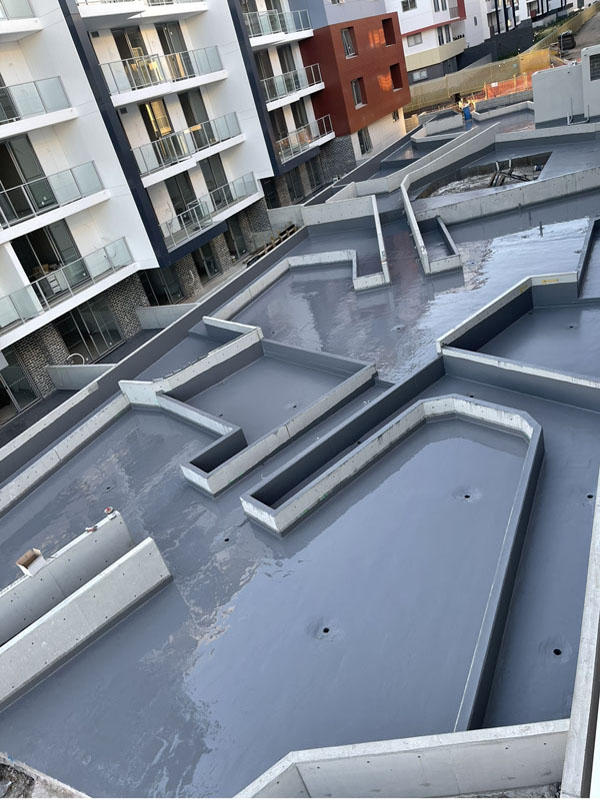
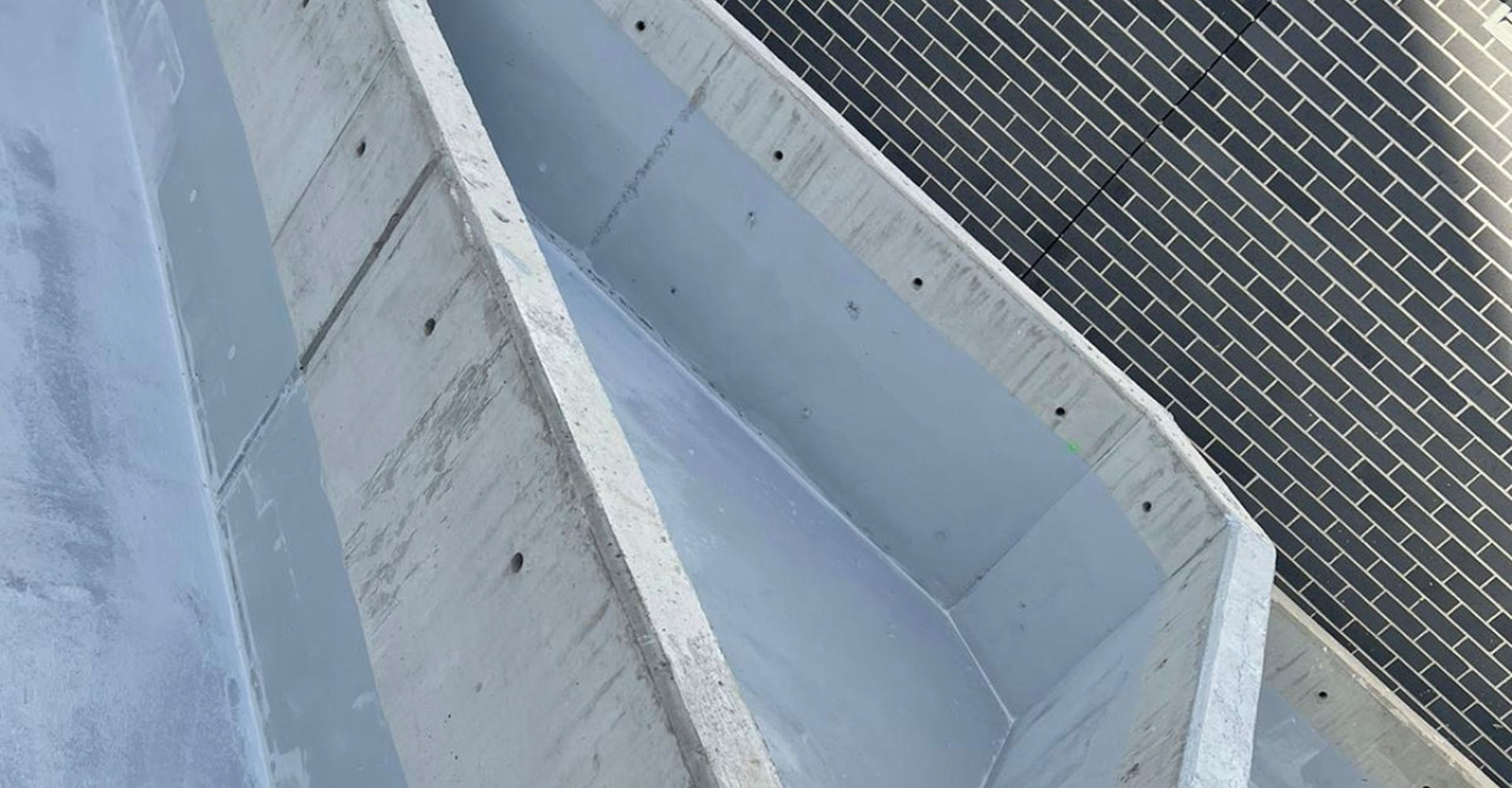
waterproofing failes

3. Mould, Mildew, and Unhealthy Indoor Air

Damp surfaces are perfect for mould and mildew, especially in showers, basements, and behind tiles. Spores spread through the air and are hard to remove once they take hold.

People with asthma, allergies, or weaker lungs feel it first, but long-term exposure is not good for anyone, especially children and older family members. Quick action on leaks keeps the air cleaner and the home more comfortable.

4. Damage to Tiles, Paint, Carpets, and Interior Finishes

Water under tiles can break the bond and cause movement or drumming sounds. Ceilings can stain, cornices crack, and paint starts to blister or peel. Carpets and timber floors may swell, smell, or become stained.

Good Residential Waterproofing Sydney protects these finishes, which protects your time and budget. Nobody wants to redo a bathroom or living room just a few years after a renovation.

5. Business Disruption and Higher Costs for Commercial Properties

In shops, offices, and strata sites, failed waterproofing often disrupts daily work. Leaks can create slippery floors, damaged stock, wet ceiling tiles, and unhappy tenants.

Repairs might mean closing areas, moving staff, or blocking access to lifts and car parks. Quality commercial waterproofing in Sydney helps avoid shutdowns, surprise repair costs, and complaints from customers or residents.

How Professional Waterproofing Protects Your Structure Long Term

Professional waterproofing brings together careful inspection, the right membrane system, and skilled installation. Regular checks around wet areas, balconies, rooftops, and basements catch small problems before they turn into leaks.

Quality work protects your structure, air quality, and finishes for many years. AB Sydney Waterproofing works with both homes and businesses in Sydney, helping owners act early instead of waiting for damage to appear.

Failed waterproofing can quietly lead to hidden water damage, structural issues, and health problems, but it does not have to reach that point. Early action keeps repair costs lower and protects the value of your building.

If you live or work in Sydney and notice damp patches, musty smells, or peeling paint, talk with a local waterproofing expert. A simple check today can spare you a lot of stress later.

28Nov

What Waterproofing Method Should I Use?

What Waterproofing Method shall I use? Most common Problems and our Solutions.

Got leaks, damp smells, or peeling paint and not sure what to do next? With heavy rain, salty coastal air, and many older homes, choosing the right waterproofing method in Sydney really matters. Pick the wrong one, and you can waste money while the damage keeps spreading behind the scenes.

This guide runs through the most common waterproofing problems and the practical fixes that actually work. If you need help, AB Sydney Waterproofing can inspect, explain the cause in plain English, and recommend the right repair.

What Affects Which Waterproofing Method You Should Use?

There is no single “best” waterproofing system for every job. The right choice depends on where the water is getting in and what the surface is made from.

Bathrooms, balconies, basements, and rooftops all get wet in different ways. Concrete, brick, fiber cement, and tiles all move and crack differently. That is why the methods below are grouped by area and surface, so you can match your problem to a likely solution.

Location of the leak or moisture problem

Common trouble spots include bathrooms and showers, balconies, basements and garages, rooftops, planter boxes, and commercial wet areas like kitchens or wash bays.

Each one needs different products and detailing. What works inside a shower will not cope with a sun-baked balcony or a car park that takes vehicle traffic.

Type and condition of the surface

Waterproofing over a solid concrete slab is very different from sealing an old brick wall or loose tiles.

Cracks, movement, and damaged screeds all affect which method will last. Old coatings sometimes have to be removed so new membranes can bond properly and stop leaks for the long term.

Most Common Waterproofing Problems in Sydney (And What They Mean)

Before people call a contractor, they usually notice a few warning signs. These clues often point to a clear cause, which helps find the right fix, not just a quick patch.

Peeling paint, stains, and mold on walls or ceilings

This often means failed bathroom or balcony waterproofing above or poor sealing outside that lets water track through the wall.

Left alone, it can rot framing, damage plaster, and create mold that is bad for your lungs.

Loose tiles, cracked grout, and damp smells

These signs often show that the membrane under the tiles in showers or bathrooms has failed or that a balcony has moved and broken the seal.

Re-grouting might look better for a while, but it will not stop leaks if the membrane is damaged.

Water pooling, leaks into garages, and wet basements

Waterproofing

Constant puddles or damp patches usually point to poor drainage or missing external waterproofing.

Driveways, retaining walls, and older basements in Sydney are common trouble spots, especially after heavy rain.

Best Waterproofing Methods for Homes and Businesses: Simple Solutions That Work

To get real results with Waterproofing Sydney projects, you need methods matched to each area, not just a tube of silicone. The aim is to control water before it soaks in, then move it to a drain or safe outlet. AB Sydney Waterproofing uses systems suited to both small homes and large commercial jobs.

Bathrooms and showers: liquid membrane and proper detailing

Modern bathrooms usually use a flexible liquid membrane under the tiles. It is painted over floors, up walls, and around hob edges, then reinforced at corners and wall joints.

Drains, niches, and pipe penetrations need extra care so there are no weak spots. For home bathrooms, this falls under Residential Waterproofing Sydney and often means removing old tiles when the membrane has failed instead of just patching grout.

Balconies and terraces: flexible systems that move with the building

Balconies often crack and leak because they sit in the sun, move with the structure, and sometimes have poor falls to drains.

A flexible membrane or sheet system helps absorb that movement without splitting. Correct slope to outlets and sealed upstands at doors stops water from sitting or running back inside. This is a common job in unit blocks and commercial buildings that need reliable commercial waterproofing Sydney solutions.

Basements, retaining walls, and garages: external membranes and drainage

Below-ground walls work best with a tough external membrane plus drainage, so water is collected and carried away.

Where access outside is tight, internal negative-side coatings can help hold back moisture. Even then, good drainage is still important so water is not pressing constantly on the wall.

How team Solves Your Waterproofing Problems

Here is how the process usually works:

  • Inspect the area and listen to what you have noticed.
  • Use moisture checks to see how far the problem has spread.
  • Find the real cause, not just the surface sign
  • Match the right method and products to the surface and location
  • Provide a clear written quote and explain the steps before work starts

Homeowners and business owners get straightforward advice and repairs that aim to last.

Conclusion

The best waterproofing solution always comes back to two things: where the water is getting in and why it started. Once you know that, you can pick the right method instead of wasting money on short-term patches.

If you are seeing stains, loose tiles, or damp smells in Sydney, it is worth acting early before the damage spreads. Reach out for practical advice or an inspection so you can get on top of it with confidence.

16Jul

Top Signs Your Commercial Property in Sydney Needs Waterproofing

AB Sydney Waterproofing | Commercial Waterproofing Sydney

Commercial buildings in Sydney face constant exposure to changing weather, foot traffic, and environmental stress. Over time, even well-built structures can develop issues related to water intrusion. The challenge is that many of these signs go unnoticed—until serious damage is done.

At AB Sydney Waterproofing, we’ve helped property owners and facility managers in areas like Liverpool, Parramatta, and the Sydney CBD detect and resolve water-related problems early. In this post, we’ll walk you through the most common red flags that your commercial property may need waterproofing.

💧 1. Water Stains on Walls or Ceilings

One of the clearest signs of a Commercial waterproofing issue is the appearance of brown or yellow water stains on internal walls or ceilings. This often means water is entering from the roof, windows, balconies, or adjoining structures.

In older buildings around Parramatta, this is especially common due to aging membranes or deteriorated sealants. Left untreated, stains can lead to rot, peeling paint, and even ceiling collapse.

🦠 2. Mould and Mildew Growth

If you notice musty smells or visible mould patches, especially in areas like basements, bathrooms, or storage rooms, it’s a clear indicator of excess moisture.

Mould thrives in damp environments, and aside from being unsightly, it poses health risks for your employees or tenants. Many commercial buildings in Liverpool have suffered tenant complaints due to poor ventilation and lack of waterproofing in bathrooms and shared areas.

🧱 3. Cracked Walls or Concrete Spalling

Cracks in exterior or interior walls, especially those near balconies, rooftops, or retaining walls, may indicate that water is seeping in and weakening the structure.

Concrete spalling—where pieces of concrete flake off or appear rust-stained—often results from water corroding the steel reinforcement inside. This is a structural issue that should never be ignored.

🌊 4. Pooling or Ponding Water on Flat Roofs

Commercial buildings with flat roofs, common in the Sydney CBD, often suffer from poor drainage. When water ponds on the surface for too long, it begins to seep into the roof membrane, eventually leading to leaks.

If your rooftop has visible pools of water hours or days after rain, it’s a sign the waterproofing system needs repair or replacement.

🔧 5. Paint Bubbling or Peeling

Are walls or ceilings showing signs of bubbling or peeling paint? Moisture trapped beneath the surface causes paint to lift and flake away, especially in bathrooms, basements, and external facades.

In many Sydney properties, we find that cosmetic repairs (like repainting) are done repeatedly without resolving the root cause: poor waterproofing.

🧼 6. Efflorescence on Walls

Efflorescence appears as white, chalky deposits on concrete or brick surfaces. It’s caused by water drawing salts from inside the materials as it evaporates.

While often dismissed as a cosmetic issue, efflorescence means that water is penetrating the surface—another red flag that waterproofing is failing.

🏗 7. Basement Dampness or Leaks

Basements are naturally vulnerable due to their below-ground location, and Sydney’s periodic heavy rains don’t help.

If your basement or underground car park feels damp, smells musty, or has visible leaks after storms, it’s time for a waterproofing inspection. Properties in Liverpool and Western Sydney often face this issue due to high groundwater levels and hydrostatic pressure.

📉 8. Increased Maintenance Costs

If you’ve recently noticed a rise in building maintenance related to structural repairs, repainting, or damp management, it might not be bad luck—it could be poor waterproofing.

Many Sydney commercial property owners have saved thousands by investing in one-time professional waterproofing rather than repeatedly fixing recurring damage.

🔍 What Causes These Issues?

  • Ageing infrastructure: Older buildings often have outdated or damaged waterproofing systems.
  • Poor installation: Waterproofing done cheaply or incorrectly will fail prematurely.
  • Lack of regular maintenance: Without inspections, small issues turn into big ones.
  • Sydney’s climate: From flash floods to intense sun, Sydney’s weather wears down even quality materials over time.

🛠 How AB Sydney Waterproofing Can Help

We’ve worked on commercial projects across Parramatta, Liverpool, and the Sydney CBD, using modern techniques like:

  • Torch-on and liquid membrane systems
  • Crack injection and negative-side waterproofing
  • Rooftop waterproofing and drainage solutions
  • Basement tanking and retaining wall protection
  • Commercial bathroom and balcony sealing

We don’t believe in temporary fixes. Our team inspects your building, identifies all vulnerabilities, and recommends a long-term solution that meets compliance and safety standards.

🧾 When Should You Book an Inspection?

If you’ve noticed any of the signs above or if it’s been more than 5 years since your last waterproofing inspection, now is the time to act.

Whether you own a high-rise in Sydney CBD, manage an office block in Parramatta, or operate a warehouse in Liverpool, don’t wait until the damage becomes irreversible.

📞 Request a Waterproofing Assessment Today

At AB Sydney Waterproofing, we’re proud to be Sydney’s go-to team for commercial waterproofing services. With local knowledge, proven systems, and a commitment to quality, we ensure your building is safe, dry, and protected from the elements.

Contact us today for a no-obligation waterproofing inspection.
Let’s stop leaks before they start.

09Jul

Protect Your Property from Water Damage: The Importance of Waterproofing

Water might seem harmless — but when it finds its way into the wrong places, it can quietly cause thousands of dollars in damage. Whether it’s a slow leak in the bathroom or rising damp in a basement, professional waterproofing is your first line of defence.

At its core, waterproofing is about preserving your property’s structure, value, and safety — and it’s more important than ever in today’s changing climate and building environments.

🌧️ What Happens Without Waterproofing?

When waterproofing is ignored or poorly installed, water doesn’t just “dry up.” It penetrates surfaces, builds up pressure in walls or under tiles, and slowly erodes materials.

Here are a few common problems caused by poor waterproofing:

  • Mould and mildew in bathrooms and kitchens
  • Cracks and stains in ceilings or walls
  • Rusted metal supports
  • Rotten timber flooring
  • Peeling paint and flaking plaster
  • Foundation damage in basements or ground-level areas

And once the damage is done, repairs are far more expensive than preventive waterproofing.

🛁 Where Waterproofing Is Essential

Every building has areas prone to moisture and water exposure. Key zones that should always be waterproofed include:

  • Bathrooms and Showers
  • Laundry and Wet Areas
  • Kitchens
  • Balconies and Rooftops
  • Basements and Retaining Walls
  • Planter Boxes and Podiums

Each of these zones needs different waterproofing systems — and that’s why working with experts matters.

🧠 How Does Waterproofing Work?

Waterproofing creates a sealed, water-resistant barrier between wet surfaces and the materials underneath. The type of barrier depends on the area and use.

Common waterproofing systems:

  • Liquid membrane – rolled or sprayed on like paint
  • Sheet membranes – pre-formed layers applied to surfaces
  • Cement-based sealants – used in internal wet zones
  • Bituminous systems – commonly used in foundations or basements

The right application technique, surface preparation, and curing time are all critical to success.

👷 Why Choose a Professional Waterproofing Service?

DIY kits may seem tempting, but waterproofing is one of those jobs that’s easy to get wrong — and very costly to fix later.

Professionals bring:

  • Knowledge of local building codes and standards (like AS 3740 in Australia)
  • High-quality, durable materials
  • Precision application and long-term guarantees
  • Certificates of compliance — important for rentals or property sales

🔎 When Should You Waterproof?

  • During renovations – especially for bathrooms and kitchens
  • Before tiling – ensure membranes are in place
  • When signs of water damage appear
  • When building new homes, balconies, or extensions

Don’t wait until there’s visible damage — by then, the water has already done its job.

🏡 Protect Now, Save Later

Think of waterproofing as insurance for your property’s future. It’s an affordable, proactive measure that protects your biggest investment — your home or business.

If you’re unsure about your current waterproofing or need expert advice, contact a licensed waterproofing team today. Whether you’re sealing a bathroom or waterproofing an entire basement, it pays to do it right the first time.

Waterproofing Membarance Sydney