28Nov

5 Risks of Failing Waterproofing in Sydney

5 Risks of Failing Waterproofing: Protecting Your Structure from Water Damage and Structural Damage

Water does quiet damage. It slips through cracks, runs under tiles, and slowly eats away at your building while everything still looks fine on the surface.

In Sydney, failed waterproofing is one of the most common causes of hidden water damage in both homes and commercial properties. It often starts small, then spreads into big repair bills.

This guide walks through 5 key risks of failing waterproofing and how timely work protects your building. If you are worried about leaks or damp areas, local specialists like AB Sydney Waterproofing can help you sort issues before they grow.

What Is Waterproofing, and Why It Matters for Sydney Buildings

Waterproofing is a protective system that keeps water from soaking into your structure. In bathrooms, balconies, rooftops, and basements, membranes and sealants form a barrier so water flows to drains instead of into concrete, brick, or timber.

With Sydney’s heavy rain and sudden storms, that barrier becomes even more important. Poor detail in one area, like a shower or rooftop, can let water creep into the rest of the building. Good design and quality work in Waterproofing Sydney projects greatly reduce that risk and set up the next sections.

5 Big Risks of Failing Waterproofing You Cannot Ignore

When waterproofing fails, the impact reaches far beyond a few drips. These are the main risks that hit your hip pocket, comfort, and safety.

1. Hidden Water Damage That Spreads Through Walls and Floors

The real damage often sits behind the surface, where framing, fixings, and sheeting stay wet for months. By the time stains show, repairs can mean stripping walls or floors, not just repainting.

2. Structural Weakening and Cracks in Concrete and Foundations

Small leaks soak into concrete, brick, timber, and plasterboard over time. You might first see a faint damp patch, peeling paint, bubbles in walls, or a musty smell that will not go away.

Long-term moisture rusts steel and breaks down concrete. Water seeps into tiny gaps, then expands and contracts with temperature changes, which slowly widens cracks.

This can lead to movement in slabs, gaps around doors and windows, or sagging areas under load. Both homes and commercial buildings can be affected, and if the structure keeps moving, it becomes a real safety concern.

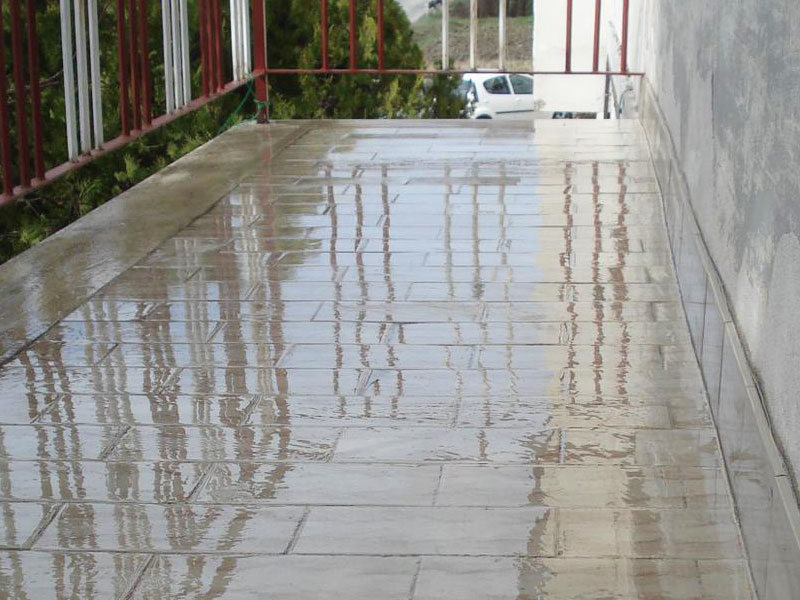
waterproofing failes

3. Mould, Mildew, and Unhealthy Indoor Air

Damp surfaces are perfect for mould and mildew, especially in showers, basements, and behind tiles. Spores spread through the air and are hard to remove once they take hold.

People with asthma, allergies, or weaker lungs feel it first, but long-term exposure is not good for anyone, especially children and older family members. Quick action on leaks keeps the air cleaner and the home more comfortable.

4. Damage to Tiles, Paint, Carpets, and Interior Finishes

Water under tiles can break the bond and cause movement or drumming sounds. Ceilings can stain, cornices crack, and paint starts to blister or peel. Carpets and timber floors may swell, smell, or become stained.

Good Residential Waterproofing Sydney protects these finishes, which protects your time and budget. Nobody wants to redo a bathroom or living room just a few years after a renovation.

5. Business Disruption and Higher Costs for Commercial Properties

In shops, offices, and strata sites, failed waterproofing often disrupts daily work. Leaks can create slippery floors, damaged stock, wet ceiling tiles, and unhappy tenants.

Repairs might mean closing areas, moving staff, or blocking access to lifts and car parks. Quality commercial waterproofing in Sydney helps avoid shutdowns, surprise repair costs, and complaints from customers or residents.

How Professional Waterproofing Protects Your Structure Long Term

Professional waterproofing brings together careful inspection, the right membrane system, and skilled installation. Regular checks around wet areas, balconies, rooftops, and basements catch small problems before they turn into leaks.

Quality work protects your structure, air quality, and finishes for many years. AB Sydney Waterproofing works with both homes and businesses in Sydney, helping owners act early instead of waiting for damage to appear.

Failed waterproofing can quietly lead to hidden water damage, structural issues, and health problems, but it does not have to reach that point. Early action keeps repair costs lower and protects the value of your building.

If you live or work in Sydney and notice damp patches, musty smells, or peeling paint, talk with a local waterproofing expert. A simple check today can spare you a lot of stress later.
28Nov

What Waterproofing Method Should I Use?

What Waterproofing Method shall I use? Most common Problems and our Solutions.

Got leaks, damp smells, or peeling paint and not sure what to do next? With heavy rain, salty coastal air, and many older homes, choosing the right waterproofing method in Sydney really matters. Pick the wrong one, and you can waste money while the damage keeps spreading behind the scenes.

This guide runs through the most common waterproofing problems and the practical fixes that actually work. If you need help, AB Sydney Waterproofing can inspect, explain the cause in plain English, and recommend the right repair.

What Affects Which Waterproofing Method You Should Use?

There is no single “best” waterproofing system for every job. The right choice depends on where the water is getting in and what the surface is made from.

Bathrooms, balconies, basements, and rooftops all get wet in different ways. Concrete, brick, fiber cement, and tiles all move and crack differently. That is why the methods below are grouped by area and surface, so you can match your problem to a likely solution.

Location of the leak or moisture problem

Common trouble spots include bathrooms and showers, balconies, basements and garages, rooftops, planter boxes, and commercial wet areas like kitchens or wash bays.

Each one needs different products and detailing. What works inside a shower will not cope with a sun-baked balcony or a car park that takes vehicle traffic.

Type and condition of the surface

Waterproofing over a solid concrete slab is very different from sealing an old brick wall or loose tiles.

Cracks, movement, and damaged screeds all affect which method will last. Old coatings sometimes have to be removed so new membranes can bond properly and stop leaks for the long term.

Most Common Waterproofing Problems in Sydney (And What They Mean)

Before people call a contractor, they usually notice a few warning signs. These clues often point to a clear cause, which helps find the right fix, not just a quick patch.

Peeling paint, stains, and mold on walls or ceilings

This often means failed bathroom or balcony waterproofing above or poor sealing outside that lets water track through the wall.

Left alone, it can rot framing, damage plaster, and create mold that is bad for your lungs.

Loose tiles, cracked grout, and damp smells

These signs often show that the membrane under the tiles in showers or bathrooms has failed or that a balcony has moved and broken the seal.

Re-grouting might look better for a while, but it will not stop leaks if the membrane is damaged.

Water pooling, leaks into garages, and wet basements

Waterproofing

Constant puddles or damp patches usually point to poor drainage or missing external waterproofing.

Driveways, retaining walls, and older basements in Sydney are common trouble spots, especially after heavy rain.

Best Waterproofing Methods for Homes and Businesses: Simple Solutions That Work

To get real results with Waterproofing Sydney projects, you need methods matched to each area, not just a tube of silicone. The aim is to control water before it soaks in, then move it to a drain or safe outlet. AB Sydney Waterproofing uses systems suited to both small homes and large commercial jobs.

Bathrooms and showers: liquid membrane and proper detailing

Modern bathrooms usually use a flexible liquid membrane under the tiles. It is painted over floors, up walls, and around hob edges, then reinforced at corners and wall joints.

Drains, niches, and pipe penetrations need extra care so there are no weak spots. For home bathrooms, this falls under Residential Waterproofing Sydney and often means removing old tiles when the membrane has failed instead of just patching grout.

Balconies and terraces: flexible systems that move with the building

Balconies often crack and leak because they sit in the sun, move with the structure, and sometimes have poor falls to drains.

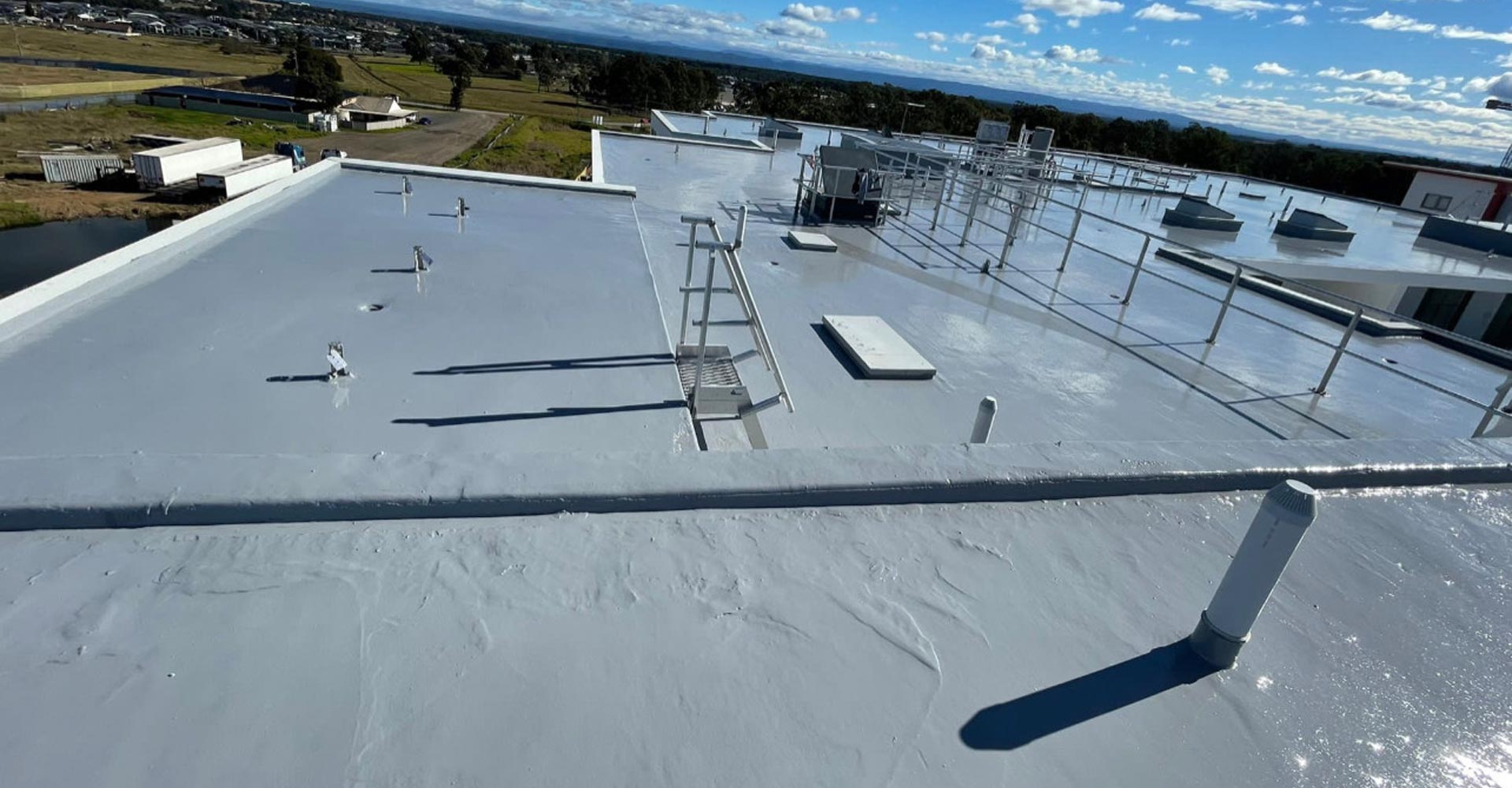
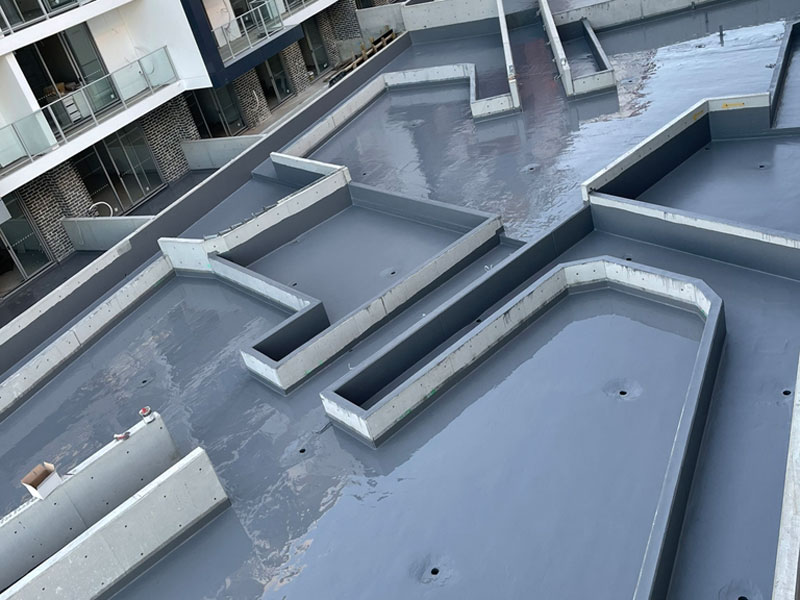
A flexible membrane or sheet system helps absorb that movement without splitting. Correct slope to outlets and sealed upstands at doors stops water from sitting or running back inside. This is a common job in unit blocks and commercial buildings that need reliable commercial waterproofing Sydney solutions.

Basements, retaining walls, and garages: external membranes and drainage

Below-ground walls work best with a tough external membrane plus drainage, so water is collected and carried away.

Where access outside is tight, internal negative-side coatings can help hold back moisture. Even then, good drainage is still important so water is not pressing constantly on the wall.

How team Solves Your Waterproofing Problems

Here is how the process usually works:

  • Inspect the area and listen to what you have noticed.
  • Use moisture checks to see how far the problem has spread.
  • Find the real cause, not just the surface sign
  • Match the right method and products to the surface and location
  • Provide a clear written quote and explain the steps before work starts

Homeowners and business owners get straightforward advice and repairs that aim to last.

Conclusion

The best waterproofing solution always comes back to two things: where the water is getting in and why it started. Once you know that, you can pick the right method instead of wasting money on short-term patches.

If you are seeing stains, loose tiles, or damp smells in Sydney, it is worth acting early before the damage spreads. Reach out for practical advice or an inspection so you can get on top of it with confidence.

16Jul

Why Commercial Waterproofing is Essential for Sydney Businesses

When you own or manage a commercial property, protecting your investment is a top priority. One of the most overlooked yet crucial parts of property maintenance is commercial waterproofing. At AB Sydney Waterproofing, we specialise in providing long-lasting waterproofing solutions for all types of commercial buildings across Sydney, including the CBD, Parramatta, and Liverpool areas.

In this blog, we’ll explain why waterproofing matters for businesses, what risks you avoid with proper protection, and why Sydney’s unique climate demands a proactive approach.

🌧 Why Waterproofing Matters in Commercial Buildings

Waterproofing is the process of making a surface or structure water-resistant. In commercial settings, this includes sealing rooftops, basements, retaining walls, balconies, bathrooms, and planter boxes. For businesses, waterproofing isn’t just a maintenance task—it’s a protective barrier that saves money and prevents costly disruptions.

Without proper waterproofing, buildings in Sydney are vulnerable to:

  • Water leaks and damp patches
  • Mould and mildew build-up
  • Concrete spalling and corrosion
  • Structural damage to walls and foundations
  • Increased maintenance costs over time

Many business owners only realise the importance of waterproofing once damage has already occurred. That’s why proactive treatment is always more cost-effective than reactive repair.

☔ The Impact of Sydney’s Climate

Sydney’s mix of coastal humidity, heavy rainfall, and extreme summer heat makes it a hotspot for waterproofing issues—especially in commercial buildings where foot traffic, equipment, and usage can accelerate wear and tear.

For instance, in areas like Parramatta, where many older commercial buildings still stand, poor waterproofing has led to basement flooding and wall deterioration. In the Sydney CBD, many high-rise buildings deal with rooftop ponding and elevator shaft leaks due to constant exposure to rain and harsh UV rays. And in Liverpool, ongoing construction and development can leave newly built properties vulnerable to water ingress if not properly sealed during the early stages.

These local conditions highlight the need for a reliable waterproofing partner who understands the unique challenges of Sydney’s commercial landscape.

🧱 Common Areas That Require Waterproofing

At AB Sydney Waterproofing, we assess each commercial property to identify at-risk areas. Here are the most common zones that require professional waterproofing:

  • Rooftops and Roof Gardens
    Especially in flat-roofed buildings where water can pool and seep into cracks.
  • Basements and Subfloors
    These are prone to hydrostatic pressure, where groundwater pushes through concrete.
  • Bathrooms and Wet Areas
    Poor sealing in toilets or kitchens can lead to water damage on lower levels.
  • Balconies and Terraces
    Open balconies often face water damage due to poor drainage or tile cracks.
  • Planter Boxes
    Often overlooked, but excess moisture can leak through and cause ceiling damage.
  • Retaining Walls
    Especially important in sloped areas around Western Sydney suburbs.

We use membrane systems, sheet and liquid waterproofing, epoxy injection, and sealants tailored to the property’s needs.

💼 Why Choose AB Sydney Waterproofing?

With over 10 years of experience in Sydney, AB Sydney Waterproofing is a trusted name in commercial waterproofing. We’re fully licensed and insured, and all our work comes with warranties for peace of mind.

Why our clients choose us:

  • In-depth site assessments and reports
  • Custom waterproofing systems for new builds and existing structures
  • Fast turnaround for commercial projects
  • Experienced with strata buildings, shopping centres, offices, warehouses, and more

We’ve worked with commercial clients across Sydney CBD, Parramatta, and Liverpool, delivering reliable results that stand up to the elements and pass building compliance.

🛠 Preventative Waterproofing = Long-Term Savings

Think of waterproofing as an investment, not an expense. Replacing concrete, repainting internal walls, or dealing with structural damage due to moisture can be 5–10x more expensive than getting the property properly waterproofed in the first place.

For businesses, the stakes are even higher—leaks can lead to:

  • Business downtime
  • Damaged stock and electronics
  • Unhappy tenants or customers
  • Insurance claim delays or rejections

By addressing issues early or waterproofing during new construction, you avoid all of these risks.

🏗 Need Commercial Waterproofing in Sydney?

Whether you manage an office in Parramatta, own a shopfront in Liverpool, or oversee a multi-storey building in the Sydney CBD, AB Sydney Waterproofing can help you protect your asset for the long term.

Contact us today for a free site inspection and personalised waterproofing quote. We’ll identify problem areas, recommend the right system, and make sure your commercial building stays leak-free for years to come.

Commercial waterproofing