01Sep

7 Signs Your Swimming Pool Needs Waterproofing in Sydney

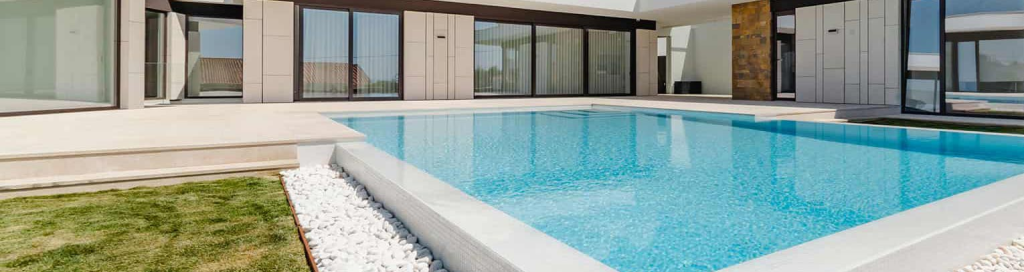
Swimming Pool Waterproofing Sydney

A pool can look fine, right up until it doesn’t. Sydney’s hot summers, sudden storms, mild ground movement, and plenty of older builds can all push small waterproofing faults into expensive damage.

If you’re searching for Swimming Pool Waterproofing Sydney advice, start with the basics: the early warning signs are usually easy to spot if you know where to look. Below are 7 clear signs your pool may need waterproofing, plus what to do next.

The 7 signs your swimming pool may need waterproofing

You are topping up the water more than usual

Sydney heat and wind can speed up evaporation, so rule that out first. Try a simple bucket test: sit a bucket of pool water on a step and mark both waterlines, then compare after 24 hours.
If the pool drops more than the bucket, steady loss can point to a waterproofing failure, not only a plumbing leak.

Wet patches, soft ground, or puddles near the pool

Check around the coping, garden beds, and under decking. Water can travel through soil and show up a metre or two away from the pool edge.
It matters because constant moisture can wash out soil, create slippery spots, and undermine nearby paving.

Cracks in the pool shell, tiles, or around the skimmer

Hairline cracks can be normal, but cracks that widen, lengthen, or reappear after patching are a worry. Temperature swings and ground shift can open gaps over time.
It matters because cracks let water reach behind tiles and into concrete, and damage spreads quietly.

Tiles popping off, loose coping, or hollow sounding areas

If sections sound hollow when gently tapped, it can mean water has moved behind the surface and weakened the bond. Loose coping can also hint at movement or trapped moisture.
It matters because detached tiles are often a symptom, not the main problem.

White chalky marks, bubbling paint, or peeling render

Those white marks are often salts carried out by moving water. Bubbling or peeling can mean moisture is pushing from behind the coating.
It matters because cleaning the surface won’t stop it if water is still getting through.

Rust stains, damp spots, or spalling concrete on the outside walls

Rust stains can mean water has reached steel inside the structure. Spalling is when concrete flakes or breaks away.
It matters because this can turn structural if corrosion keeps growing.

Water chemistry becomes hard to keep stable

If chlorine and pH swing more than usual, hidden water movement can be part of the story. A practical clue is adding more chemicals, but the readings don’t hold.
It matters because you’ll spend more and still get inconsistent water quality.

What to do if you spot one or more signs

Start simple and stay organised. Take clear photos, note dates, and mark the waterline with tape so you can track changes. Run the bucket test to check evaporation, and avoid repeated DIY patch jobs if they keep failing, that can hide the real path of water.

Book a pool inspection if the signs persist. Waterproofing methods vary (membranes, epoxy, cement-based systems), and the right option depends on your pool type (concrete, fibreglass, or tiled) and where the water is travelling.

Why acting early matters in Sydney

Sydney pools cop heavy rain events, strong UV, and in coastal areas, salty air that can speed up wear. Add shifting soils and you’ve got a recipe for small cracks turning into bigger faults.

Fixing issues early is usually cheaper, saves water, and helps protect nearby structures like paving, garden walls, and retaining walls.

Recurring water loss, surface changes, and damp areas around the pool aren’t “just age”. Use these 7 signs as a quick checklist, then act while the problem is still contained. If you’re unsure, book an inspection and talk with a local specialist about the right waterproofing fix for your pool.
01Sep

Top Signs Your Bathroom Needs Waterproofing in Sydney

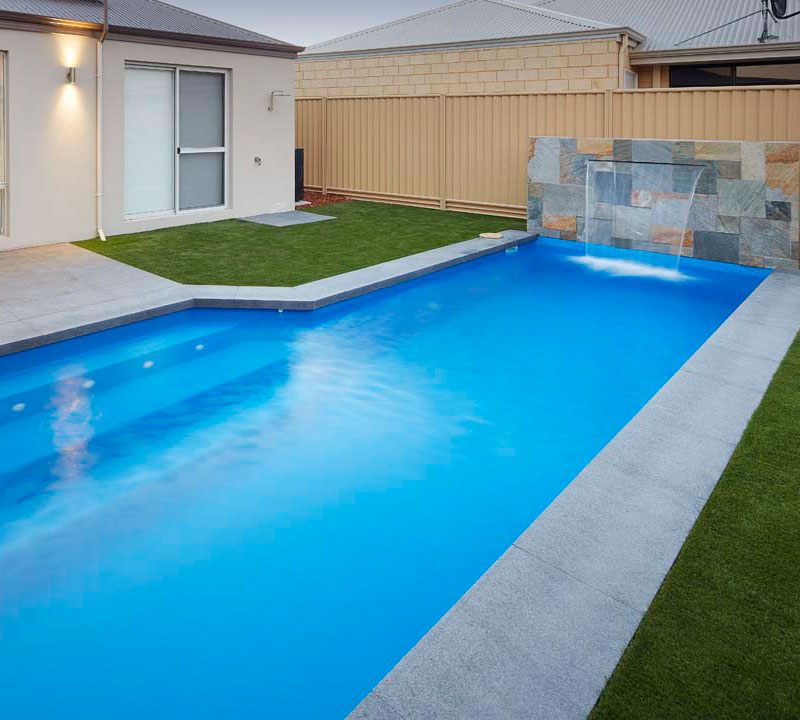
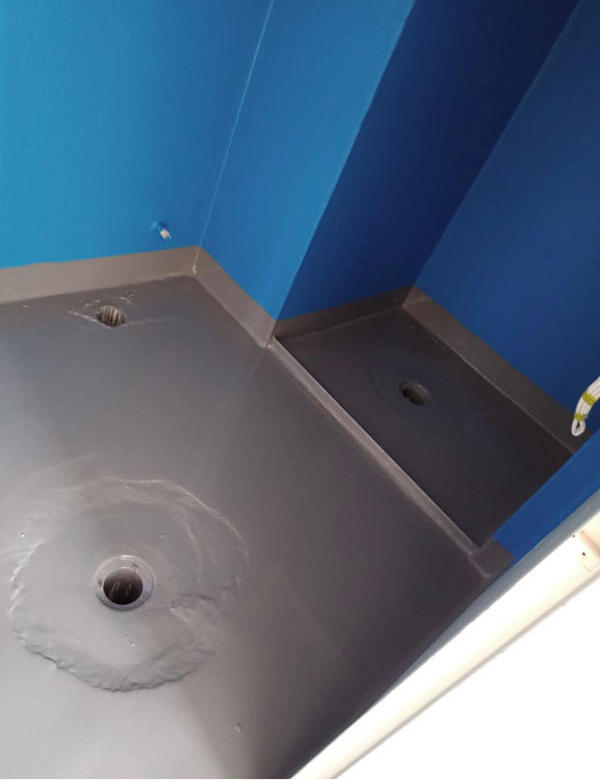
Bathrooms deal with constant moisture, making proper waterproofing essential for every home. In a climate like Sydney, where humidity and daily usage can quickly wear down surfaces, even small waterproofing issues can turn into costly repairs if ignored. Knowing the early warning signs can help you act before serious damage occurs. If you’re concerned about Bathroom Waterproofing Sydney, here’s what to look out for.

1. Persistent Damp or Musty Smell

A lingering damp smell is often one of the first signs of hidden moisture problems. Even if everything looks clean, trapped water behind walls or under tiles can create unpleasant odours. This usually indicates that waterproofing has failed somewhere out of sight.

2. Peeling Paint or Bubbling Walls

If you notice paint peeling, bubbling, or flaking around your bathroom, it’s a strong sign that moisture is seeping into the walls. Over time, this can weaken the structure and lead to more serious issues.

3. Cracked or Loose Tiles

Tiles that are cracked, loose, or lifting can allow water to penetrate underneath. Once water gets beneath the surface, it can damage the substrate and spread to other areas, making repairs more complex.

4. Mould and Mildew Growth

Mould thrives in damp environments, and bathrooms are a common hotspot. If mould keeps returning even after cleaning, it’s likely due to poor or failing waterproofing rather than just surface moisture.

5. Water Stains on Walls or Ceilings

Brown or yellow stains on nearby walls or ceilings are clear indicators of water leakage. This is especially concerning if the stains appear in rooms adjacent to or below the bathroom.

6. Damaged or Deteriorating Grout

Grout that is cracked, crumbling, or missing can allow water to seep through. While regrouting may help temporarily, it often points to deeper waterproofing issues beneath the tiles.

7. Soft or Spongy Flooring

If your bathroom floor feels soft underfoot, it could mean water has penetrated beneath the surface. This is a serious issue that can lead to structural damage if not addressed quickly.

8. Increased Humidity or Condensation

Excessive condensation on mirrors, walls, and windows may indicate poor ventilation combined with waterproofing issues. Over time, this creates the perfect environment for damage and mould growth.

Why Early Action Matters

Ignoring these signs can lead to major repairs, including structural damage, rot, and costly renovations. Addressing waterproofing problems early helps protect your home and maintain its value.

Professional Waterproofing Makes the Difference

Bathroom waterproofing is not just about surface fixes—it requires proper preparation, quality materials, and expert application. AB Sydney Waterproofing provides reliable solutions tailored to local conditions, ensuring long-lasting protection for your bathroom.

Final Thoughts

Your bathroom should be a clean, safe, and functional space. If you notice any of these warning signs, it’s important to act quickly before the problem worsens. With the right approach and professional support, you can prevent leaks, avoid costly damage, and keep your home in top condition.

For dependable Bathroom Waterproofing Sydney, working with experienced professionals ensures your bathroom stays protected for years to come.

01Sep

Common Bathroom Waterproofing Problems in Sydney Homes

Bathroom waterproofing Sydney

Bathroom waterproofing is one of the most important parts of protecting your home from water damage. Over time, waterproofing systems can deteriorate, leading to leaks, mould growth, structural damage, and costly repairs. Many Sydney homeowners don’t realise there is a problem until visible signs begin to appear.

Understanding the most common bathroom waterproofing problems can help you identify issues early and avoid expensive repairs.

1. Cracked or Damaged Waterproof Membranes

The waterproof membrane is designed to prevent water from penetrating beneath tiles and into surrounding structures. Over time, movement in the building, poor installation, or ageing materials can cause the membrane to crack or fail.

Signs of membrane failure include:

  • Water leaks
  • Damp walls
  • Bubbling paint
  • Loose tiles

Professional bathroom waterproofing in Sydney can identify and repair damaged membranes before they cause serious structural problems.

2. Leaking Shower Areas

A leaking shower is one of the most common waterproofing issues in Sydney homes. Water can penetrate through cracked grout, damaged silicone, or failed waterproofing layers, resulting in hidden moisture damage.

Common signs include:

  • Water stains on adjacent walls
  • Mould growth
  • Musty odours
  • Damp flooring

Proper shower waterproofing helps prevent ongoing water damage and protects surrounding areas.

3. Cracked Grout and Tiles

Tiles and grout naturally wear over time. Cracks can allow water to seep beneath the tiled surface, compromising the waterproofing system and causing moisture issues.

Regular inspections and maintenance can help identify cracked grout and tiles before they lead to more significant damage.

4. Mould and Mildew Growth

Bathrooms are naturally humid environments. When waterproofing fails, excess moisture creates the perfect conditions for mould and mildew growth.

Mould can:

  • Damage walls and ceilings
  • Affect indoor air quality
  • Create unpleasant odours
  • Lead to costly remediation work

Effective waterproofing and ventilation are essential for maintaining a healthy bathroom environment.

5. Water Damage Behind Walls

Many waterproofing failures occur behind tiles and wall surfaces where they remain hidden for long periods. As moisture accumulates, it can weaken structural materials and lead to expensive repairs.

Warning signs include:

  • Peeling paint
  • Swollen skirting boards
  • Damp patches
  • Soft or damaged wall surfaces

Professional waterproofing inspections can detect hidden moisture problems before they worsen.

6. Poor Waterproofing Installation

One of the leading causes of bathroom leaks is incorrect waterproofing installation. If waterproofing is not applied according to Australian Standards, water can penetrate vulnerable areas and cause long-term damage.

Hiring experienced waterproofing specialists ensures your bathroom receives the protection it needs.

7. Ageing Waterproofing Systems

Even high-quality waterproofing systems have a lifespan. Older bathrooms may no longer provide adequate protection, increasing the risk of leaks and water damage.

If your bathroom is more than 10 years old and showing signs of moisture issues, it may be time for a professional waterproofing assessment.

Why Professional Bathroom Waterproofing Matters

Quality bathroom waterproofing helps protect your property from:

  • Water leaks
  • Structural damage
  • Mould growth
  • Expensive repair costs
  • Reduced property value

Investing in professional waterproofing services provides long-term protection and peace of mind for homeowners.

Trusted Bathroom Waterproofing Services in Sydney

At AB Sydney Waterproofing, we provide reliable bathroom waterproofing services across Sydney. Our experienced team specialises in bathroom waterproofing, shower waterproofing, leak prevention, and internal waterproofing solutions designed to protect your property.

Whether you’re renovating a bathroom or dealing with water damage, we deliver professional waterproofing solutions that comply with Australian Standards.

Contact AB Sydney Waterproofing today for expert bathroom waterproofing services in Sydney and protect your home from costly water damage.

Posts pagination