5 Risks of Failing Waterproofing: Protecting Your Structure from Water Damage and Structural Damage
Water does quiet damage. It slips through cracks, runs under tiles, and slowly eats away at your building while everything still looks fine on the surface.
In Sydney, failed waterproofing is one of the most common causes of hidden water damage in both homes and commercial properties. It often starts small, then spreads into big repair bills.
This guide walks through 5 key risks of failing waterproofing and how timely work protects your building. If you are worried about leaks or damp areas, local specialists like AB Sydney Waterproofing can help you sort issues before they grow.
What Is Waterproofing, and Why It Matters for Sydney Buildings
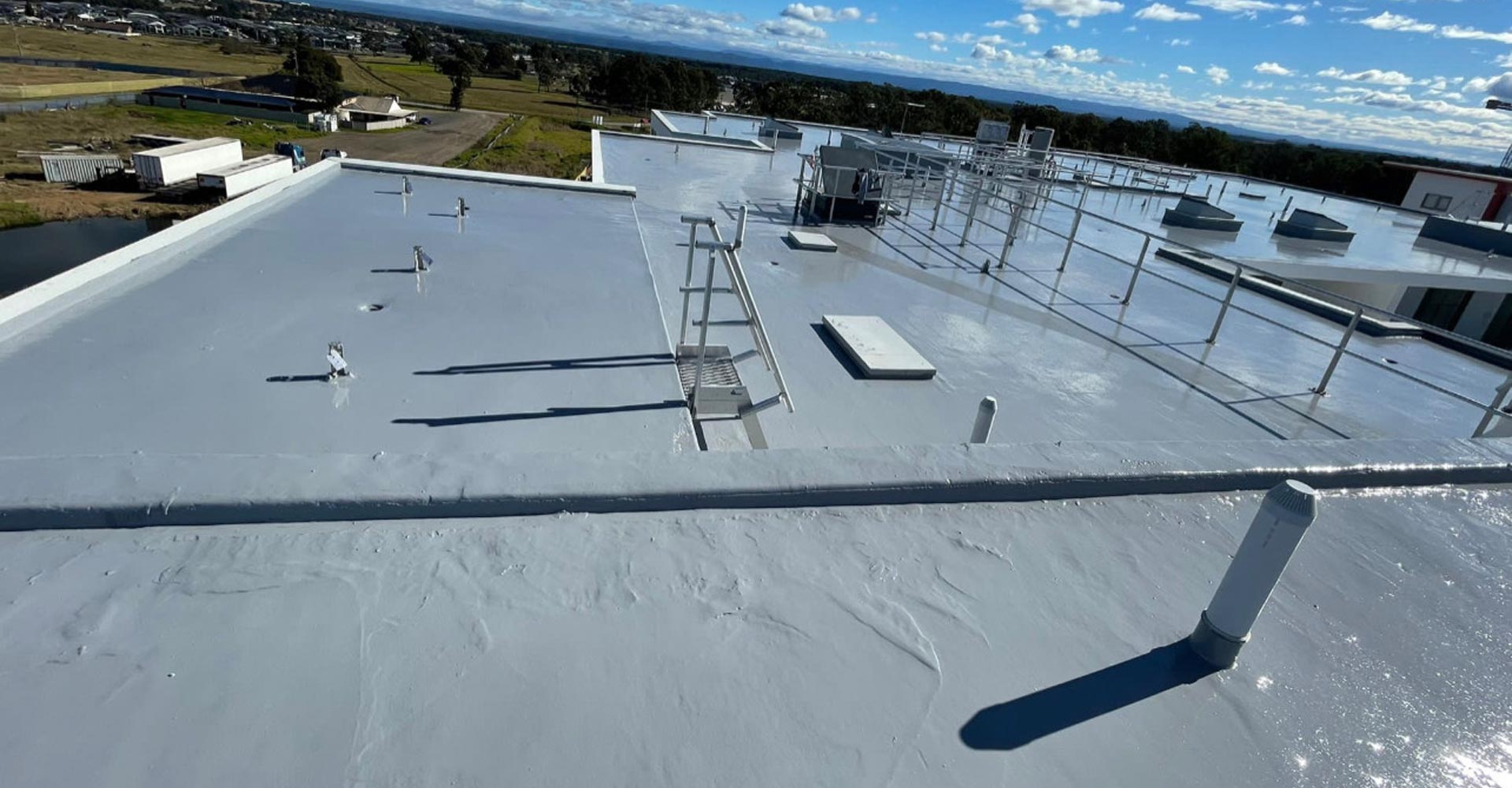
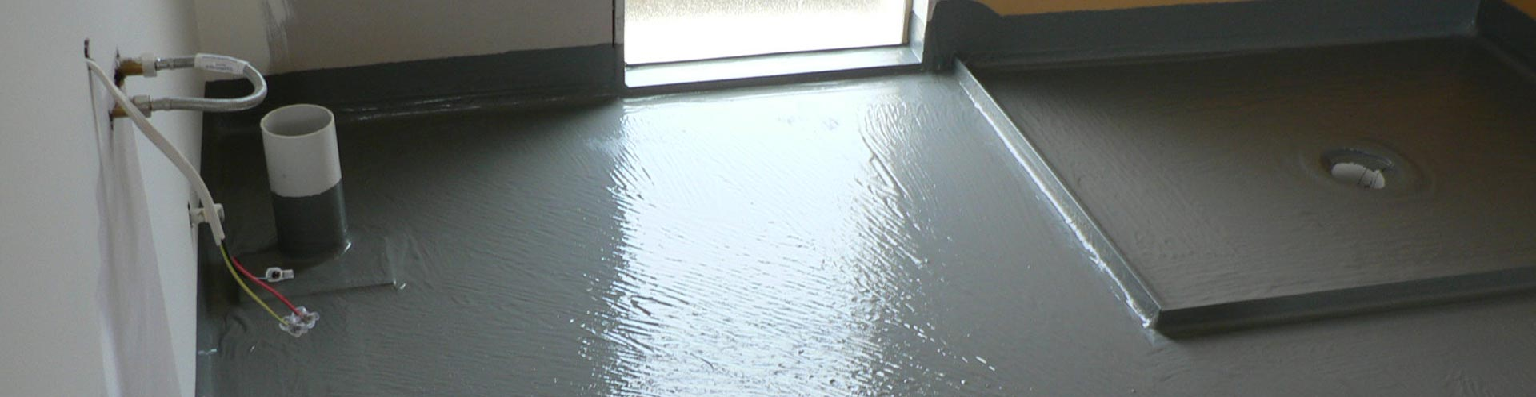
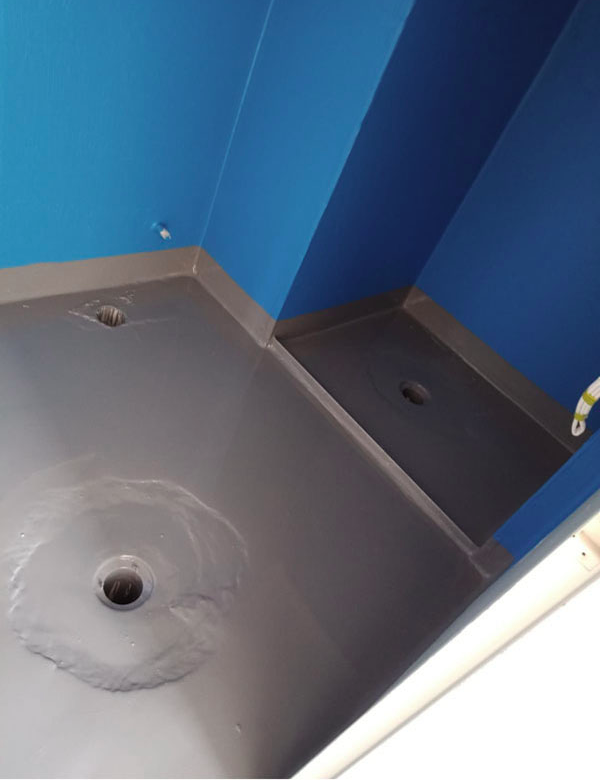
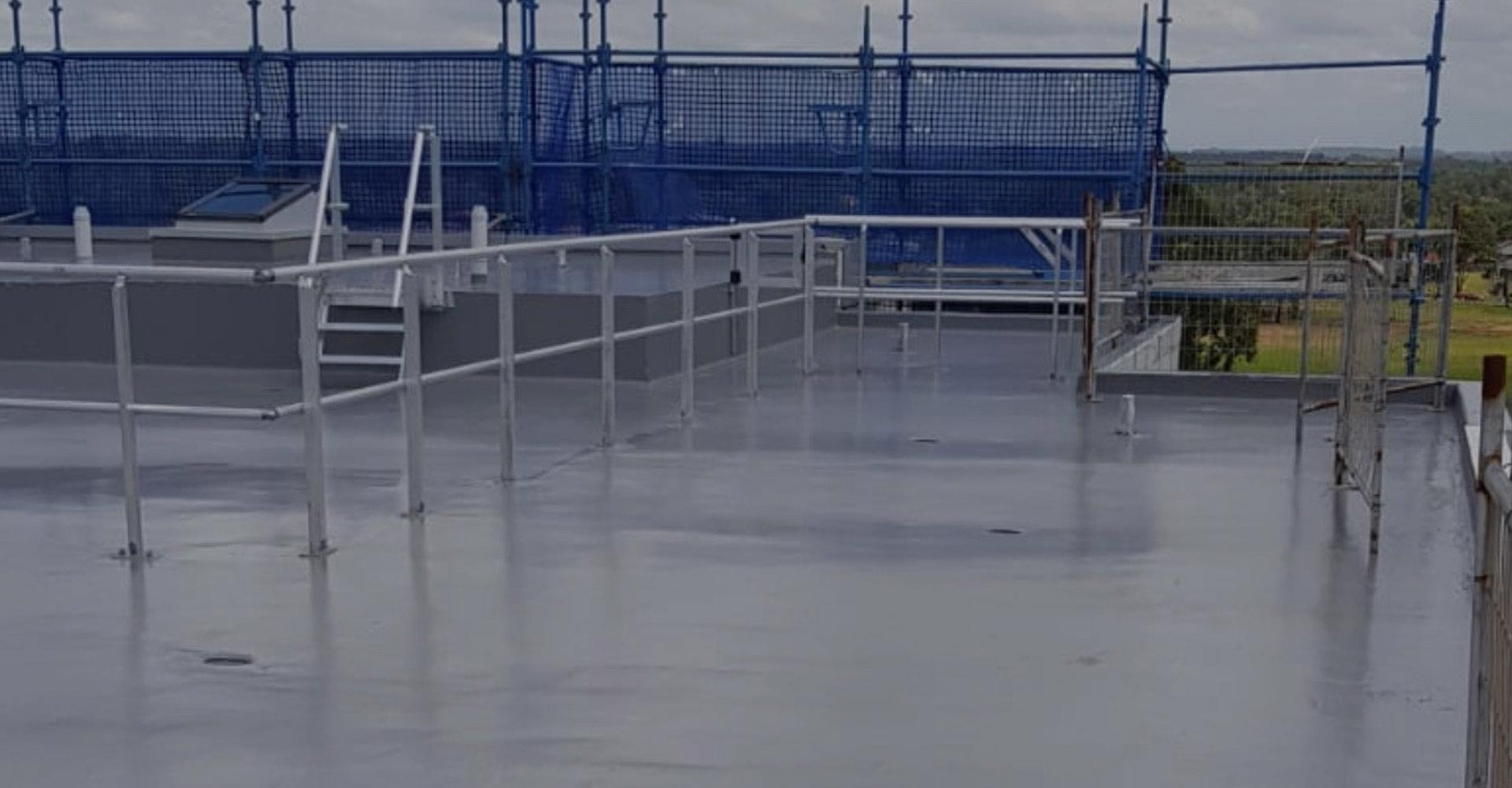
Waterproofing is a protective system that keeps water from soaking into your structure. In bathrooms, balconies, rooftops, and basements, membranes and sealants form a barrier so water flows to drains instead of into concrete, brick, or timber.
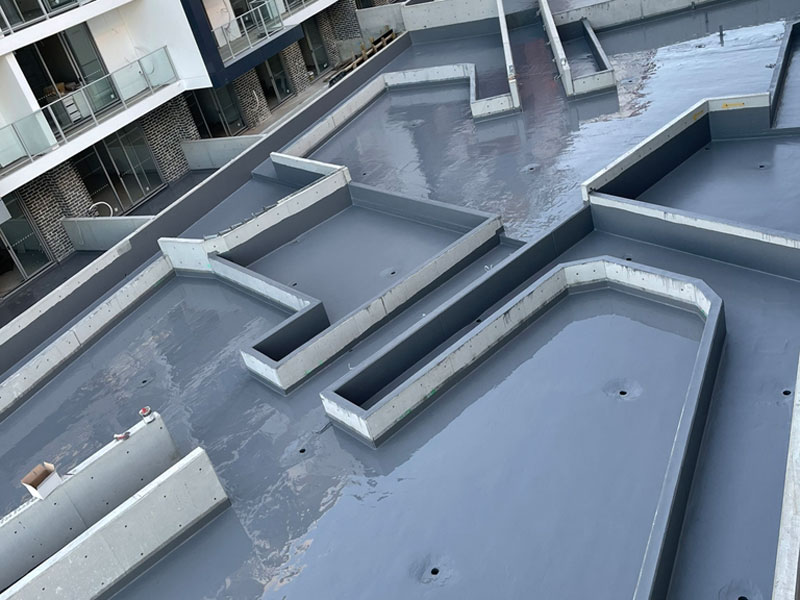
With Sydney’s heavy rain and sudden storms, that barrier becomes even more important. Poor detail in one area, like a shower or rooftop, can let water creep into the rest of the building. Good design and quality work in Waterproofing Sydney projects greatly reduce that risk and set up the next sections.
5 Big Risks of Failing Waterproofing You Cannot Ignore
When waterproofing fails, the impact reaches far beyond a few drips. These are the main risks that hit your hip pocket, comfort, and safety.
1. Hidden Water Damage That Spreads Through Walls and Floors
The real damage often sits behind the surface, where framing, fixings, and sheeting stay wet for months. By the time stains show, repairs can mean stripping walls or floors, not just repainting.
2. Structural Weakening and Cracks in Concrete and Foundations
Small leaks soak into concrete, brick, timber, and plasterboard over time. You might first see a faint damp patch, peeling paint, bubbles in walls, or a musty smell that will not go away.
Long-term moisture rusts steel and breaks down concrete. Water seeps into tiny gaps, then expands and contracts with temperature changes, which slowly widens cracks.
This can lead to movement in slabs, gaps around doors and windows, or sagging areas under load. Both homes and commercial buildings can be affected, and if the structure keeps moving, it becomes a real safety concern.

3. Mould, Mildew, and Unhealthy Indoor Air
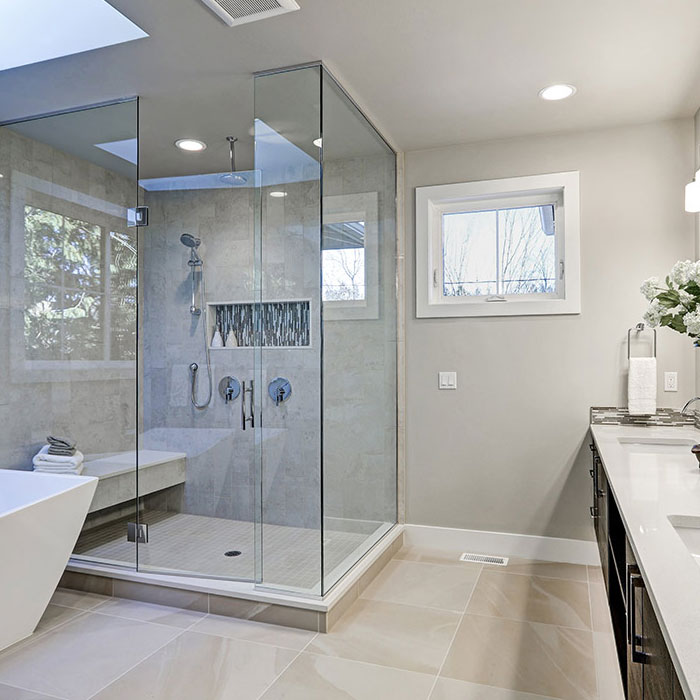
Damp surfaces are perfect for mould and mildew, especially in showers, basements, and behind tiles. Spores spread through the air and are hard to remove once they take hold.
People with asthma, allergies, or weaker lungs feel it first, but long-term exposure is not good for anyone, especially children and older family members. Quick action on leaks keeps the air cleaner and the home more comfortable.
4. Damage to Tiles, Paint, Carpets, and Interior Finishes
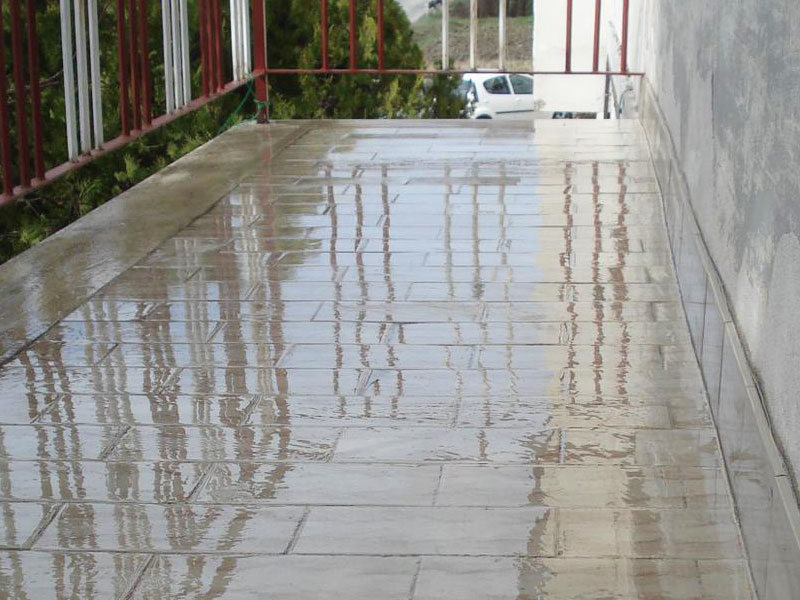
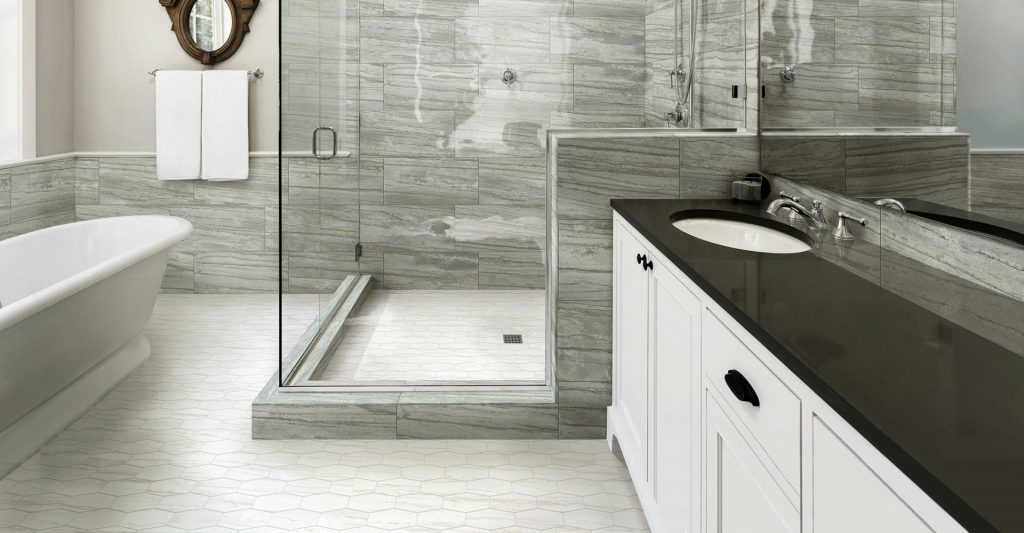
Water under tiles can break the bond and cause movement or drumming sounds. Ceilings can stain, cornices crack, and paint starts to blister or peel. Carpets and timber floors may swell, smell, or become stained.
Good Residential Waterproofing Sydney protects these finishes, which protects your time and budget. Nobody wants to redo a bathroom or living room just a few years after a renovation.
5. Business Disruption and Higher Costs for Commercial Properties
In shops, offices, and strata sites, failed waterproofing often disrupts daily work. Leaks can create slippery floors, damaged stock, wet ceiling tiles, and unhappy tenants.
Repairs might mean closing areas, moving staff, or blocking access to lifts and car parks. Quality commercial waterproofing in Sydney helps avoid shutdowns, surprise repair costs, and complaints from customers or residents.
How Professional Waterproofing Protects Your Structure Long Term
Professional waterproofing brings together careful inspection, the right membrane system, and skilled installation. Regular checks around wet areas, balconies, rooftops, and basements catch small problems before they turn into leaks.
Quality work protects your structure, air quality, and finishes for many years. AB Sydney Waterproofing works with both homes and businesses in Sydney, helping owners act early instead of waiting for damage to appear.
Failed waterproofing can quietly lead to hidden water damage, structural issues, and health problems, but it does not have to reach that point. Early action keeps repair costs lower and protects the value of your building.
If you live or work in Sydney and notice damp patches, musty smells, or peeling paint, talk with a local waterproofing expert. A simple check today can spare you a lot of stress later.