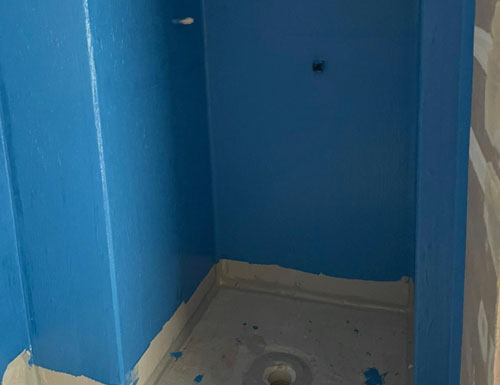
Laundry rooms are regularly exposed to water from washing machines, laundry tubs and everyday cleaning. Without effective waterproofing, moisture can penetrate floors, walls and surrounding building materials, potentially leading to costly repairs. In Sydney homes, identifying waterproofing problems early can help prevent further water damage and protect the laundry area.
Understanding the warning signs of failed laundry waterproofing can help homeowners decide when an inspection or professional repair may be necessary.
1. Why Does Water Seep Through Laundry Floors?
Water seepage is one of the most noticeable signs of a possible waterproofing failure. If the waterproofing membrane beneath the tiles has deteriorated, been damaged or was not installed correctly, moisture may pass through vulnerable areas.
You might notice damp patches, persistent moisture near floor edges or water appearing in adjoining rooms. However, these symptoms can also result from leaking pipes, faulty appliance connections or inadequate drainage.
The cause should be identified before repairs begin. Simply replacing the visible tiles or applying a surface coating may not resolve the underlying problem if the waterproofing system has failed.
2. Can Peeling Paint and Damp Walls Indicate Waterproofing Problems?
Peeling paint, bubbling wall finishes and discoloured patches around a laundry can indicate moisture entering the wall structure. These issues may develop near laundry tubs, taps, pipe connections or areas where water regularly splashes.
Persistent dampness can also contribute to mould growth and unpleasant odours. While these signs do not automatically confirm waterproofing failure, they should not be ignored, particularly when they continue after the area has been cleaned and dried.
A professional inspection can help determine whether the moisture is coming from failed waterproofing, plumbing leaks, condensation or another source.
3. What Do Loose or Cracked Laundry Tiles Mean?
Cracked grout, loose tiles and deteriorating sealant can allow water to reach the layers beneath the tiled surface. Although grout and silicone help limit water penetration, they are not substitutes for a properly installed waterproofing membrane.
Pay attention to cracked joints around floor edges, corners, laundry tubs and wall penetrations. These areas can be particularly vulnerable when the surrounding materials move or sealants deteriorate.
Replacing damaged grout or sealant may help address a localised problem, but recurring moisture or loose tiles may indicate a deeper issue that requires further investigation.
4. Why Is Mould Appearing Around the Laundry?
Mould can develop where moisture remains trapped around walls, skirting boards, cupboards and poorly ventilated corners. If the laundry continues to smell musty or mould returns soon after cleaning, there may be an ongoing source of moisture.
Failed waterproofing is one possible cause, but plumbing leaks, condensation and insufficient ventilation can produce similar conditions.
Finding and addressing the moisture source is essential. Cleaning visible mould without correcting the underlying issue may only provide temporary relief.
5. How Can You Check for Laundry Waterproofing Problems?
Homeowners can look for visible warning signs without removing tiles or disturbing the waterproofing membrane. Useful checks include:
- Inspecting grout lines and sealant for cracks or gaps.
- Looking for persistent damp patches or water staining.
- Checking whether tiles have become loose or damaged.
- Examining adjoining walls for peeling paint or discolouration.
- Checking washing machine hoses, taps and drainage connections for leaks.
- Noting recurring musty smells or mould growth.
These checks can help identify areas of concern, but they cannot confirm the condition of a concealed waterproofing membrane. If moisture persists, arrange a suitable inspection before undertaking major repairs.
6. When Should Laundry Waterproofing Be Repaired?
Waterproofing problems should be investigated as soon as recurring dampness or water penetration becomes apparent. Delaying repairs can allow moisture to affect adjoining materials and increase the extent of the damage.
The appropriate solution depends on the cause and severity of the problem. A minor plumbing leak may require a plumbing repair, while damaged tiles or deteriorated sealant may need localised attention. Where the waterproofing membrane has failed, more extensive work may be necessary, including removing affected finishes and reinstating the waterproofing system.
In Sydney, homeowners planning a laundry renovation should also ensure that the waterproofing work is appropriate for the area, completed before tiling where required, and carried out in accordance with applicable building requirements and product specifications.
7. How Can Professional Laundry Waterproofing Help Protect Your Home?
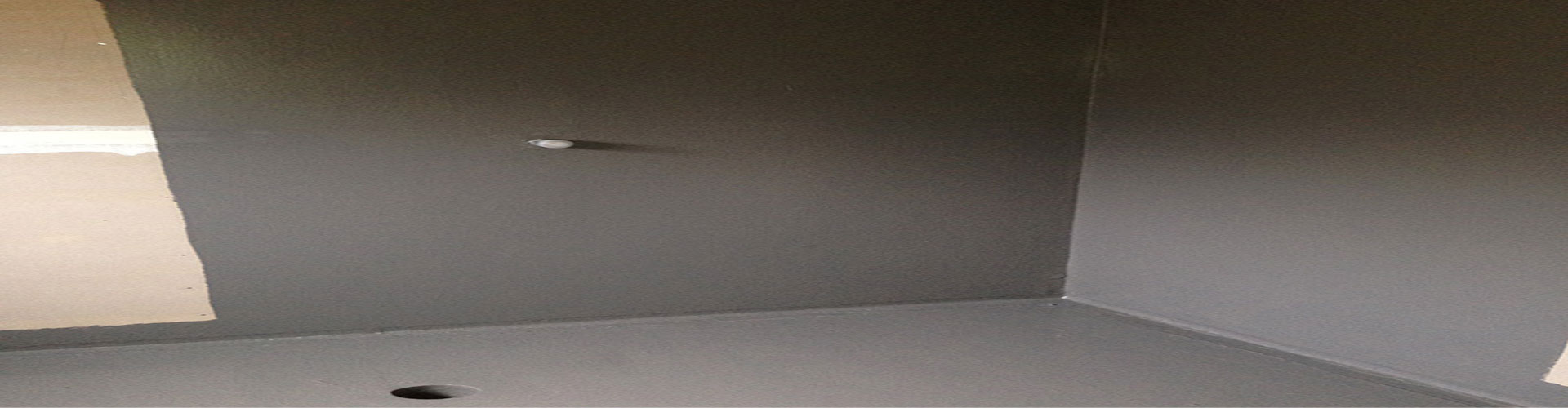
A correctly installed waterproofing system helps reduce the risk of water penetrating floors and walls in moisture-prone areas. Proper surface preparation, suitable membrane selection, careful treatment of corners and penetrations, and correct detailing around floor wastes all contribute to effective performance.
For existing laundries, the first step is to establish whether the problem comes from the waterproofing, plumbing or another moisture source. For renovations, planning the waterproofing stage before tiles are installed can help avoid preventable problems later.
For advice on suitable solutions, AB Sydney Waterproofing provides waterproofing services, including laundry waterproofing in Sydney.
Recognising the early warning signs and addressing the cause promptly can help protect your laundry, reduce the risk of moisture damage and support a more durable renovation.